The True Cost of a Cheap Home Survey
Cheap isn’t cheap… it's
expensive
What's the cost of a RICS Homebuyer's (Level 2) survey?
If you’re buying a property, chances are you’ve searched online for something like:
“How much does a homebuyer's survey cost?”
or
“Who is the cheapest surveyor near me?”
or
“I'm a first-time buyer. What should I pay for a survey?"
Within seconds, you’re presented with a list of companies and prices: £375, £430, £485
Naturally, many buyers start by looking at the cheapest option. After all, a survey is just a survey… right?
Unfortunately, this is where the industry has created a problem.
Many comparison and lead-generation websites promote the idea of
“finding the cheapest survey”, which pushes surveyors to compete primarily on price. As prices drop, the time available to inspect the property and write the report also becomes more limited.
When it comes to inspecting buildings, that approach rarely benefits the buyer.
The more useful question isn’t “how much does a survey cost?”
It’s:
What does a cheap survey cost you later?
What Does a Homebuyer's Survey Cost in Chichester?
A RICS Level 2 Home Survey (often called a HomeBuyer survey) typically costs between £450 and £900 + VAT, depending on the property and location in the UK.
At Chichester Surveyors, our Level 2 surveys are usually £530–£750 + VAT, with the price tailored to the individual property rather than a fixed template fee.
Buyers often search for
“how much does a homebuyers survey cost in Chichester” or
“cheapest surveyor near me”, but price differences often reflect how much time a surveyor can spend inspecting the building and preparing the report.
Every property is different, so we provide bespoke quotations based on factors such as:
- Number of rooms and bathrooms
- Utility rooms and conservatories
- Garages or permanent outbuildings
- The condition of the property
- Complexity of the building
It isn’t always just about size.
For example, a one-bedroom flat within a converted house often involves inspecting the roof, structure and shared elements of the building. In practical terms, that property can need to be considered more like a house than a simple flat.
Why Do Home Survey Prices Vary?
Survey costs can vary significantly depending on several factors:
- Property size – Larger homes take longer to inspect and report on.
- Property complexity – Converted flats, older buildings or multiple roof spaces all require more careful assessment.
- Number of rooms and facilities – Bathrooms, utility rooms, conservatories, garages and outbuildings all add to inspection time.
- Condition of the property – Poorly maintained buildings often require more detailed investigation.
- Time spent writing the report – Bespoke reports take longer than generic templates.
Because of this, reputable surveyors will normally provide individual quotations rather than fixed “menu pricing”.
What Goes Into a Thorough Level 2 Survey?
For a typical three-bedroom semi-detached house, we usually spend:
2.5–3.5 hours inspecting the property
followed by
4–5 hours writing the report.
These reports are written specifically for each property and the client, rather than being generated from generic templates.
Our Level 2 reports are typically around 50 pages long, but they are carefully structured with clear sections and plenty of photographs.
We deliberately include a large number of images because a photograph can often explain a defect far better than words alone. The aim is to help buyers clearly understand what has been found, rather than leaving them trying to interpret technical language.
The Difference Between a Cheap Survey and a Useful One
One of the biggest differences between surveys is
how issues are explained.
A short or generic report might say something like:
“Damp readings were noted to the ceiling in the front bedroom. Further investigation by a damp specialist is recommended.”
This leaves the buyer with another question:
Is this serious?
A more thorough inspection might instead explain the likely cause and practical next steps:
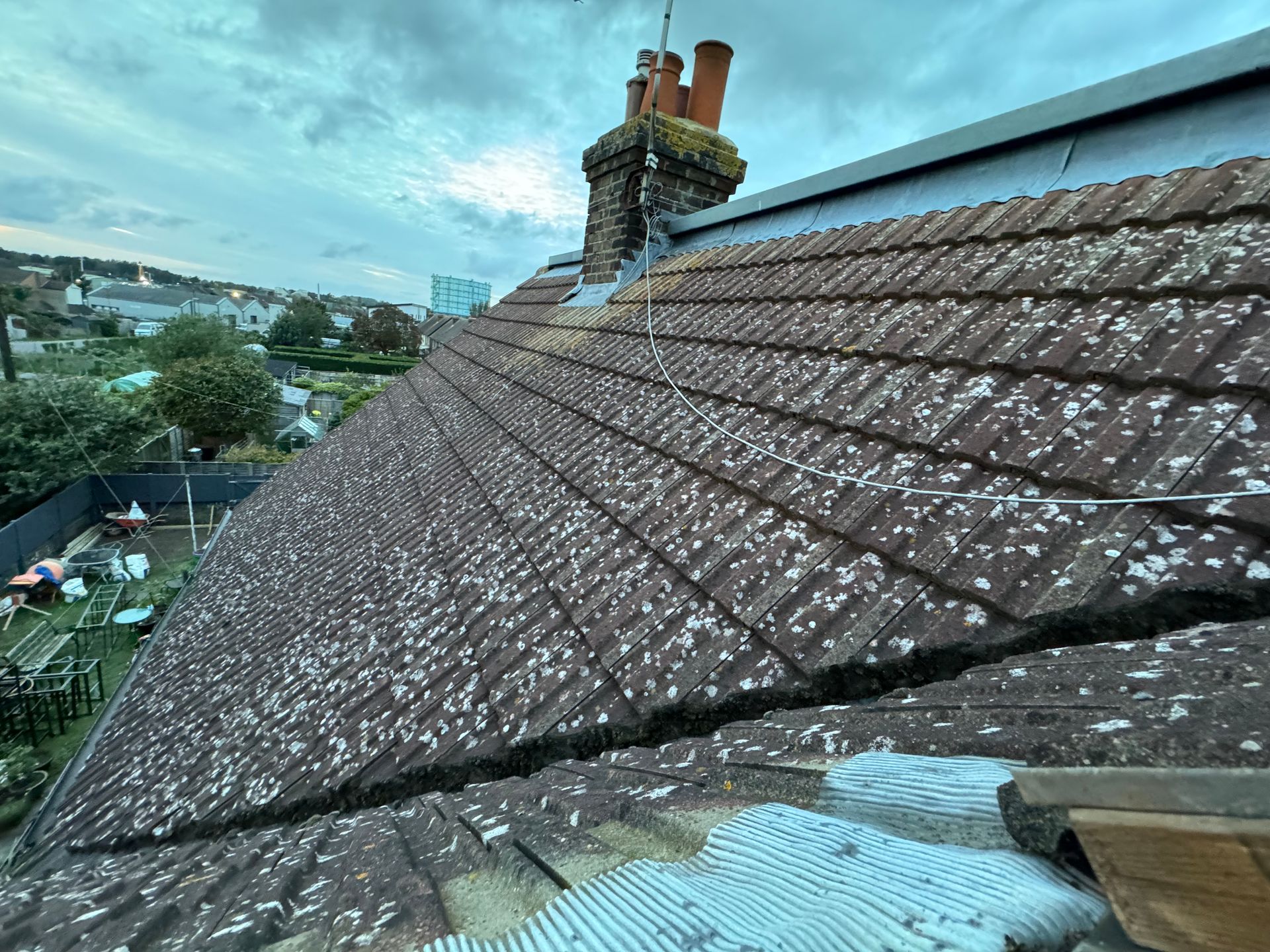
"Moisture readings were obtained to the ceiling in the front bedroom. Externally, a roof tile in this area has been displaced by moss growth. When inspecting the roof space above, the roof underlay was found to be torn in the corresponding location, which is likely allowing moisture to enter the roof space. The moss should be cleared, the displaced tile reset and the damaged underlay repaired. Any insulation affected by moisture should be replaced once the area has fully dried."
The difference is not simply in the wording; it is what happens next.
One explanation helps the buyer understand the issue and move forward with a clear repair. The other leaves them organising further investigations, often involving additional cost, time and uncertainty.
Speaking to Your Surveyor After the Report
One part of the process that many buyers do not expect is the conversation that follows, once the report has been delivered.
We actively encourage our clients to book a follow-up call once they have read their survey.
These conversations often cover things such as:
- What repairs are likely to involve
- What type of contractor may be required
- Which specialists are genuinely necessary
- How to avoid unreliable or unnecessary contractors
These discussions often go beyond the basic scope of a Level 2 survey, but they can be incredibly helpful when you are trying to understand what the report means in practical terms.
Many of our clients mention this call in their Google reviews, because it helps them feel confident about the decisions they need to make next.
The £100 Question
Imagine two survey options:
A £450 survey that provides a limited explanation.
Or a £600 survey that clearly explains the building and helps you understand potential repairs.
At first glance, the cheaper option looks better.
But if the second survey helps you properly understand the property you are buying, the real difference in cost is not £600.
It’s £150.
When you consider that you are making one of the biggest
financial decisions of your life, the survey fee is actually
a very small part of the overall purchase.
Why We Started Chichester Surveyors
We created our practice because we believed surveys should offer something more than a quick report and a long list of referrals to specialists.
Quick, generic reports take away from the skill of a surveyor who genuinely cares about buildings - and more importantly, about the people investing their life savings into one.
Our aim has always been simple:
to provide clear, honest surveys that help buyers understand the property they are about to purchase.
Sometimes that gives people the confidence to move forward.
Sometimes it helps them decide a property may not be the right choice.
Either way, the goal is the same - true peace of mind through an honest report.
Areas We Cover
Chichester Surveyors provide RICS Level 2 Home Surveys across:
- Chichester
- Worthing
- Havant
- Portsmouth
- surrounding areas of West Sussex and Hampshire
Expert Summary: Choosing a Home Survey
When choosing a HomeBuyer survey, the most important factor is not simply the price. A RICS Level 2 survey should help you understand the condition of the building, identify potential repairs, and give you confidence about the property you are purchasing. Surveys that are priced very cheaply may involve less inspection time or more generic reporting, which can leave buyers needing further investigations. A well-prepared survey should clearly explain what has been found and help you understand what it means for the property moving forward.
Frequently Asked Questions
What is the most common survey when buying a house?
The
RICS Level 2 Home Survey is the most commonly chosen survey for conventional properties in reasonable condition.
How much does a HomeBuyer survey cost?
Most Level 2 surveys in the UK cost between
£500 and £900, depending on the size and complexity of the property.
Can I speak to the surveyor after the report?
Yes. We encourage clients to book a follow-up call so we can talk through the findings and explain what they mean in practical terms.